Udiroko Festival: The Living Heritage of Ado-Ekiti
Every August, Ado-Ekiti comes alive as indigenes, families and visitors gather to celebrate Udiroko Festival, one of the city's most important cultural traditions. More than a festival, Udiroko is a living connection between the people of Ado-Ekiti and their history, traditional institution and communal identity.
Origins
Udiroko is traditionally traced to around 1310 AD, during the reign of Oba Awamaro, regarded in Ado-Ekiti tradition as the first Ewi of present-day Ado-Ekiti. Historical accounts associate the name Udiroko with the gathering of the people beneath a large iroko tree at the Ewi's palace.
The gathering developed into an annual occasion where the community came together, traditional leaders reported on the affairs of the kingdom, and the people received the Ewi's blessings and guidance. Udiroko subsequently became recognized as the beginning of the traditional Ado-Ekiti year.
A Celebration of Community
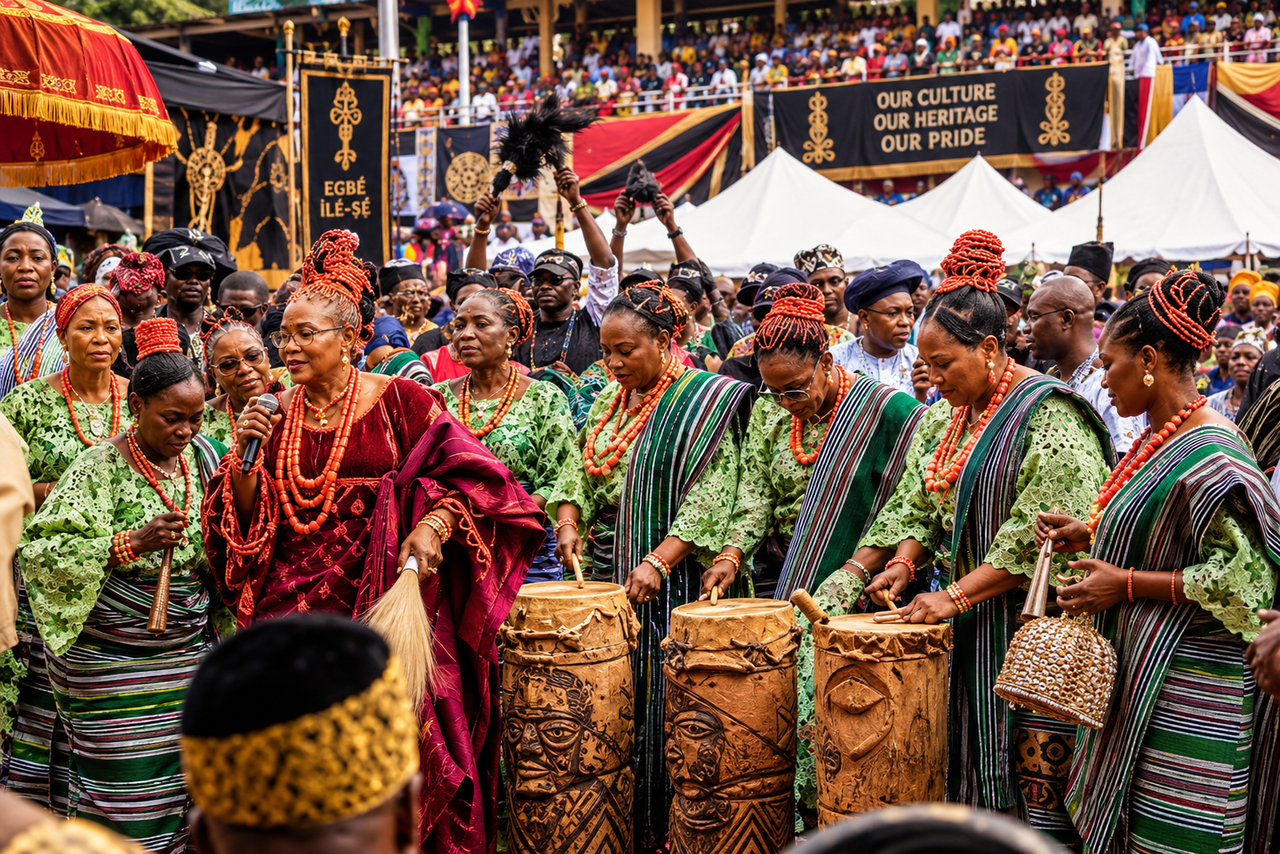
Udiroko brings together the Ewi, chiefs, families, community groups and Ado-Ekiti indigenes from within Nigeria and the diaspora. Traditional clothing, music, dance, royal ceremonies, cultural displays and communal gatherings form important parts of the celebration.
The festival also provides an opportunity for people to honour the traditional institution and reflect on the values, history and identity of Ado-Ekiti.
Cultural Significance
At its heart, Udiroko represents heritage, unity, continuity and thanksgiving. It allows cultural knowledge and traditions to be passed from older generations to younger ones while giving the wider community an opportunity to come together.
The festival also demonstrates how cultural heritage can contribute to tourism and community development. Its growing visibility has created opportunities to showcase Ado-Ekiti's traditions to visitors while encouraging continued preservation of its cultural identity.
Udiroko in 2026
The 2026 Udiroko Festival was celebrated on Wednesday, 19 August 2026, in Ado-Ekiti. The celebration brought together traditional rulers, chiefs, community groups, residents and visitors for another expression of Ado-Ekiti's cultural heritage.
For future generations, Udiroko remains more than an annual gathering. It is a living cultural archive—one through which the history, traditions and collective identity of Ado-Ekiti continue to be remembered, experienced and passed on.