Festival date30 Aug 2026
CategoryCultural
Views34
About the festival
The Igogo Festival is one of the most distinctive traditional festivals of Owo Kingdom in Ondo State. With a history of more than 600 years, the festival is closely associated with the story of Queen Oronsen, a legendary figure whose story remains an important part of Owo's cultural heritage.
According to Owo tradition, Queen Oronsen became an important figure in the history of the kingdom, and her story has been preserved through generations. The annual Igogo celebration serves as a way of remembering this heritage while bringing the people of Owo together.
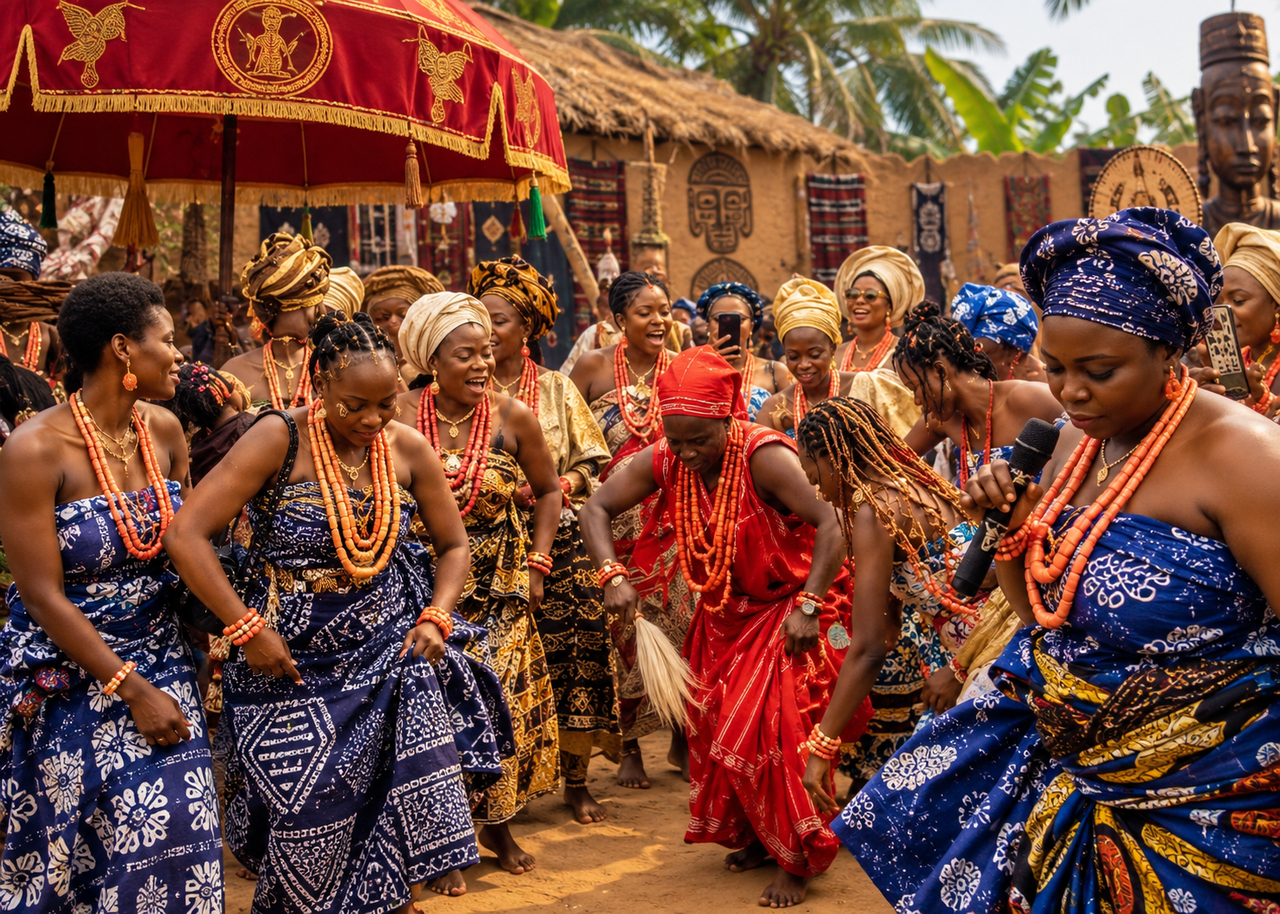
Igogo is not a single-day event. The 2026 celebration runs from August 30 to September 26, with several traditional, cultural and recreational activities taking place throughout the period. These include traditional ceremonies, music, dance, games, cultural competitions, pageantry and community gatherings.
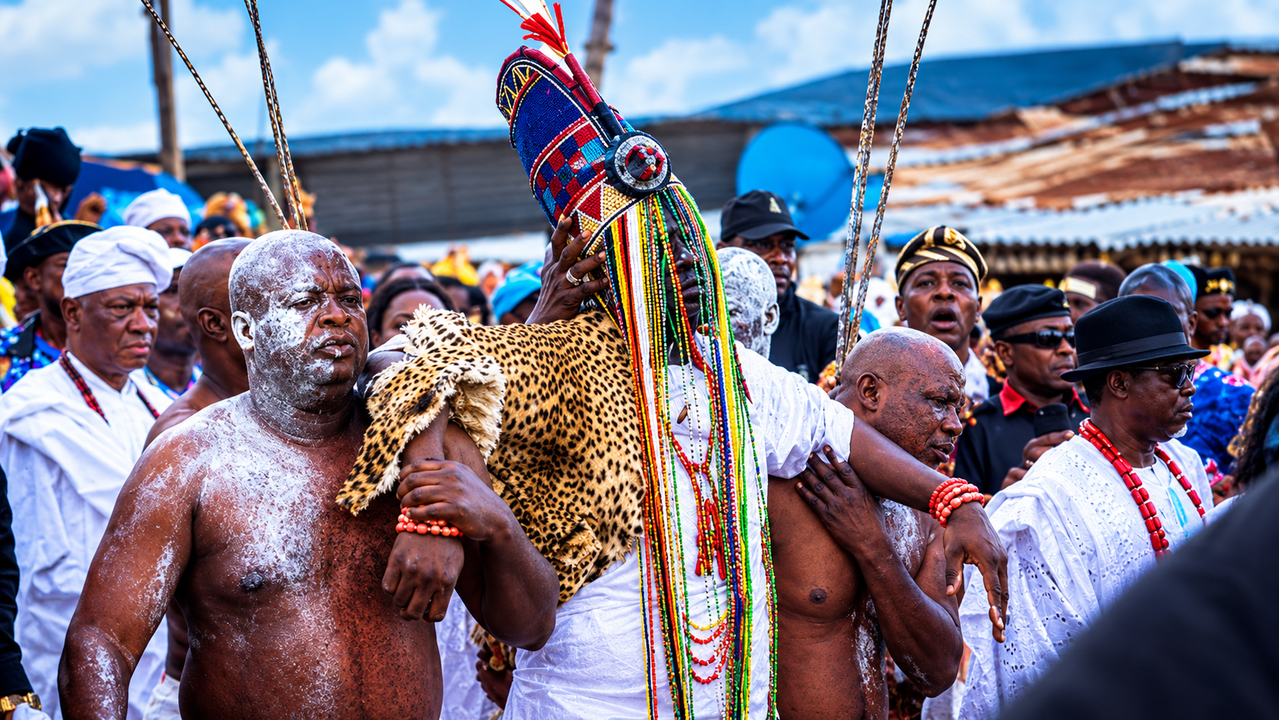
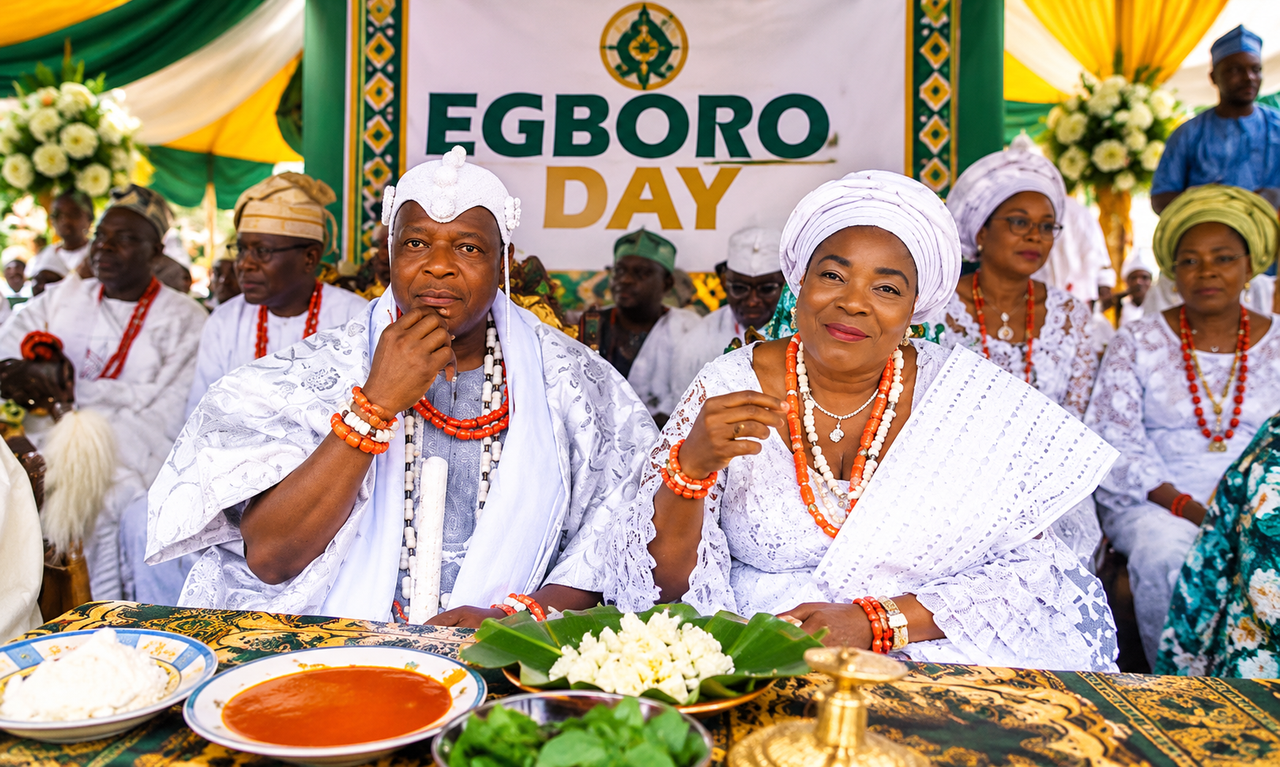
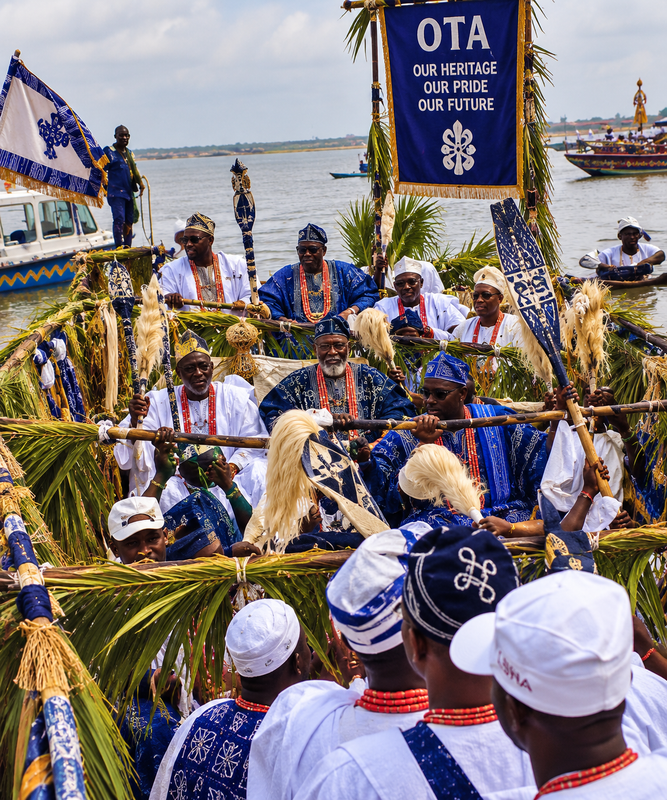
One of the distinctive aspects of Igogo is the traditional appearance and dress associated with the festival. Chiefs, cultural groups and participants display carefully prepared traditional clothing, while various ceremonies take place around the palace and other important locations in Owo.
According to Owo tradition, Queen Oronsen became an important figure in the history of the kingdom, and her story has been preserved through generations. The annual Igogo celebration serves as a way of remembering this heritage while bringing the people of Owo together.
Igogo is not a single-day event. The 2026 celebration runs from August 30 to September 26, with several traditional, cultural and recreational activities taking place throughout the period. These include traditional ceremonies, music, dance, games, cultural competitions, pageantry and community gatherings.
One of the distinctive aspects of Igogo is the traditional appearance and dress associated with the festival. Chiefs, cultural groups and participants display carefully prepared traditional clothing, while various ceremonies take place around the palace and other important locations in Owo.
History
The Igogo Festival is one of the most historic and distinctive cultural festivals of Owo Kingdom in Ondo State, Nigeria. It is traditionally celebrated every year in honour and remembrance of Queen Oronsen, a revered figure in the oral history of the Owo people. The festival is believed to date back more than 600 years, to the reign of Olowo Rerengejen.
According to Owo oral tradition, Oronsen was one of the wives of Olowo Rerengejen. She was described in traditional accounts as a beautiful, influential and prosperous queen. However, Oronsen had certain sacred taboos that were expected to be respected within the palace. When these taboos were violated, a conflict arose and the queen eventually left the palace.
Oronsen is said to have travelled away from the palace and eventually reached an area known as Igbo-Laja. Members of a search party from the palace reportedly found her there and attempted to persuade her to return. She refused and, according to the traditional account, disappeared into the earth. She left behind an item associated with her headwear, known as an oja, which became part of the story behind the name Igbo-Laja.
The story of Oronsen became preserved through generations and eventually became the foundation of the annual Igogo Festival. What began as a traditional remembrance has continued as a major cultural celebration through which the people of Owo honour their history, traditional institutions and ancestral heritage.
The Origin of the Unique Igogo Customs
One of the most remarkable features of Igogo is the unusual appearance of the Olowo and his chiefs, who traditionally dress in clothing associated with women during the festival. They may wear coral beads, elaborate garments and hairstyles traditionally associated with women.
This distinctive practice is connected to the traditional story of Oronsen and is understood as part of the symbolic remembrance of the queen. The festival also features the use of agogo, or metal gongs, rather than ordinary drums in some of its traditional activities.
Other traditional activities associated with Igogo include the blessing and release of new yams, cultural processions, dancing, ceremonies in the palace and activities involving chiefs, community groups and residents of Owo.
Igogo and the History of Owo
The history of Igogo is closely connected with the broader history of Owo Kingdom. Owo is an ancient Yoruba kingdom whose cultural development was influenced by its historical relationships with Ile-Ife and the Benin Kingdom.
Archaeological discoveries at Igbo-Laja have provided evidence of the sophisticated artistic tradition of ancient Owo. Excavations conducted there uncovered terracotta objects dating to around the 15th century, demonstrating connections between Owo artistic traditions and those of Ife and Benin while also showing distinctive characteristics of Owo art.
This makes Igogo particularly important because the festival is not simply a modern celebration. It exists within a much wider cultural landscape involving Owo's royal history, traditional art, oral traditions, sacred places and ancestral memory.
Why the Festival Has Survived
For generations, Igogo has provided the people of Owo with an opportunity to pass their history from one generation to another. Elders, traditional rulers, chiefs and community members continue to participate in ceremonies that preserve elements of the kingdom's cultural identity.
The festival also brings people from outside Owo to experience its traditions. Today, Igogo has become an important cultural and tourism event, attracting visitors from different parts of Nigeria and beyond.
Cultural Significance
The significance of Igogo goes beyond the colourful costumes and public celebrations. At its heart, the festival represents memory, respect for tradition, royal heritage and community identity.
The story of Queen Oronsen provides the historical foundation, while the rituals, costumes, music, dances and processions keep that story alive. Each generation inherits elements of the tradition and contributes to its continuation.
Igogo Festival is therefore more than an annual celebration in Owo. It is a living expression of the kingdom's history, its royal traditions and the enduring memory of Queen Oronsen.
What Makes Igogo Unique?
👑 Queen Oronsen: The festival is traditionally associated with her story.
🏛️ Owo Kingdom: It is one of the major cultural celebrations of Owo.
👘 Distinctive royal attire: The Olowo and chiefs traditionally wear unusual attire associated with the festival.
🔔 Agogo: Metal gongs are an important part of the traditional soundscape.
🌱 New yam traditions: The festival includes ceremonies connected with the new yam.
🥁 Music and dance: Cultural performances form an important part of the celebration.
🏺 Ancient heritage: The festival exists within Owo's rich archaeological and artistic history.
According to Owo oral tradition, Oronsen was one of the wives of Olowo Rerengejen. She was described in traditional accounts as a beautiful, influential and prosperous queen. However, Oronsen had certain sacred taboos that were expected to be respected within the palace. When these taboos were violated, a conflict arose and the queen eventually left the palace.
Oronsen is said to have travelled away from the palace and eventually reached an area known as Igbo-Laja. Members of a search party from the palace reportedly found her there and attempted to persuade her to return. She refused and, according to the traditional account, disappeared into the earth. She left behind an item associated with her headwear, known as an oja, which became part of the story behind the name Igbo-Laja.
The story of Oronsen became preserved through generations and eventually became the foundation of the annual Igogo Festival. What began as a traditional remembrance has continued as a major cultural celebration through which the people of Owo honour their history, traditional institutions and ancestral heritage.
The Origin of the Unique Igogo Customs
One of the most remarkable features of Igogo is the unusual appearance of the Olowo and his chiefs, who traditionally dress in clothing associated with women during the festival. They may wear coral beads, elaborate garments and hairstyles traditionally associated with women.
This distinctive practice is connected to the traditional story of Oronsen and is understood as part of the symbolic remembrance of the queen. The festival also features the use of agogo, or metal gongs, rather than ordinary drums in some of its traditional activities.
Other traditional activities associated with Igogo include the blessing and release of new yams, cultural processions, dancing, ceremonies in the palace and activities involving chiefs, community groups and residents of Owo.
Igogo and the History of Owo
The history of Igogo is closely connected with the broader history of Owo Kingdom. Owo is an ancient Yoruba kingdom whose cultural development was influenced by its historical relationships with Ile-Ife and the Benin Kingdom.
Archaeological discoveries at Igbo-Laja have provided evidence of the sophisticated artistic tradition of ancient Owo. Excavations conducted there uncovered terracotta objects dating to around the 15th century, demonstrating connections between Owo artistic traditions and those of Ife and Benin while also showing distinctive characteristics of Owo art.
This makes Igogo particularly important because the festival is not simply a modern celebration. It exists within a much wider cultural landscape involving Owo's royal history, traditional art, oral traditions, sacred places and ancestral memory.
Why the Festival Has Survived
For generations, Igogo has provided the people of Owo with an opportunity to pass their history from one generation to another. Elders, traditional rulers, chiefs and community members continue to participate in ceremonies that preserve elements of the kingdom's cultural identity.
The festival also brings people from outside Owo to experience its traditions. Today, Igogo has become an important cultural and tourism event, attracting visitors from different parts of Nigeria and beyond.
Cultural Significance
The significance of Igogo goes beyond the colourful costumes and public celebrations. At its heart, the festival represents memory, respect for tradition, royal heritage and community identity.
The story of Queen Oronsen provides the historical foundation, while the rituals, costumes, music, dances and processions keep that story alive. Each generation inherits elements of the tradition and contributes to its continuation.
Igogo Festival is therefore more than an annual celebration in Owo. It is a living expression of the kingdom's history, its royal traditions and the enduring memory of Queen Oronsen.
What Makes Igogo Unique?
👑 Queen Oronsen: The festival is traditionally associated with her story.
🏛️ Owo Kingdom: It is one of the major cultural celebrations of Owo.
👘 Distinctive royal attire: The Olowo and chiefs traditionally wear unusual attire associated with the festival.
🔔 Agogo: Metal gongs are an important part of the traditional soundscape.
🌱 New yam traditions: The festival includes ceremonies connected with the new yam.
🥁 Music and dance: Cultural performances form an important part of the celebration.
🏺 Ancient heritage: The festival exists within Owo's rich archaeological and artistic history.
Significance
Igogo is important because it preserves the history and cultural identity of Owo Kingdom.
The festival provides a way for historical stories to remain part of everyday community life. Rather than being confined to books or museums, these traditions are expressed through ceremonies, clothing, music, processions and participation.
It also strengthens the relationship between generations. Elders preserve traditional knowledge while younger people participate in the celebration and learn about the history of their community.
Igogo also reinforces the importance of the Olowo and the traditional institutions of Owo. Royal ceremonies and public homage provide opportunities for the community to recognise its traditional leadership.
The festival provides a way for historical stories to remain part of everyday community life. Rather than being confined to books or museums, these traditions are expressed through ceremonies, clothing, music, processions and participation.
It also strengthens the relationship between generations. Elders preserve traditional knowledge while younger people participate in the celebration and learn about the history of their community.
Igogo also reinforces the importance of the Olowo and the traditional institutions of Owo. Royal ceremonies and public homage provide opportunities for the community to recognise its traditional leadership.