Festival date19 Sep 2026
CategoryCultural
Views92
About the festival
The Olojo Festival is a celebration of Yoruba heritage, spirituality, and history, deeply connected to Ile-Ife, regarded as an important ancestral home of the Yoruba people. The festival honors Òrìṣà Ogun, the deity associated with iron, work, strength, and creativity, while also celebrating the heritage passed down through generations.
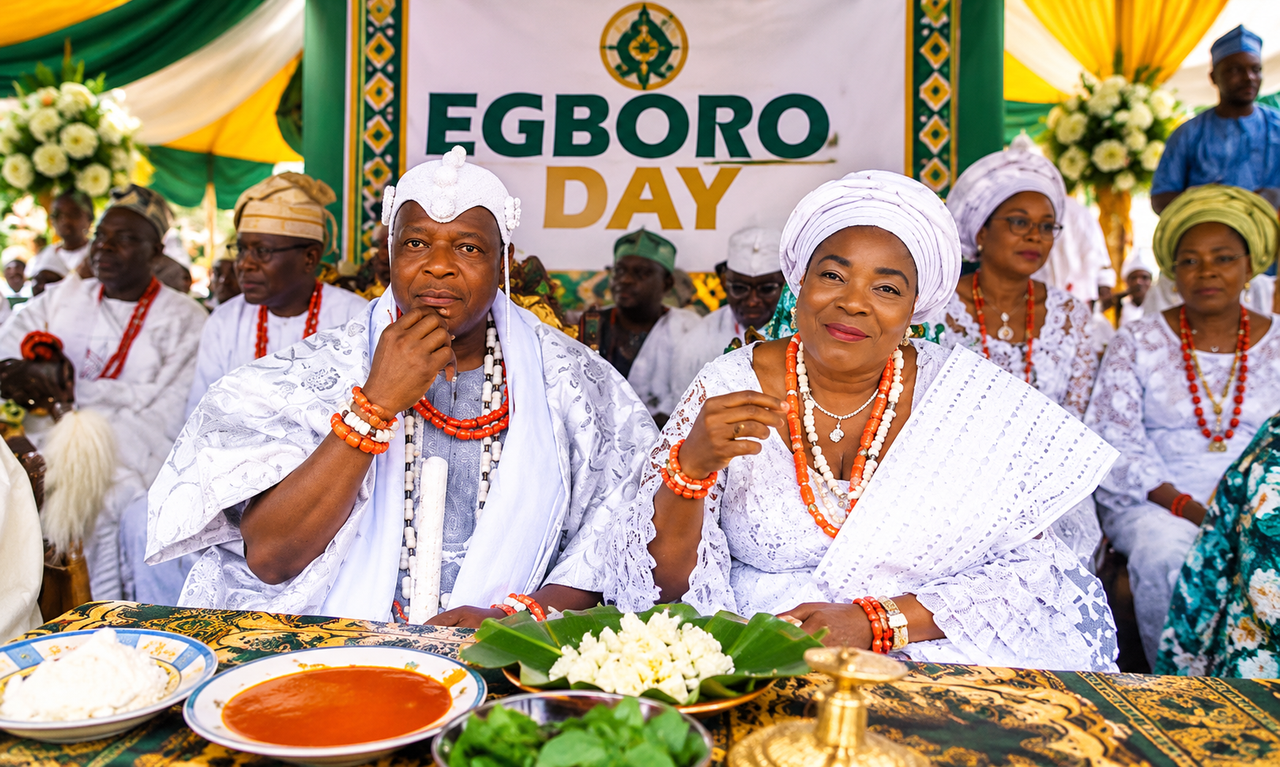
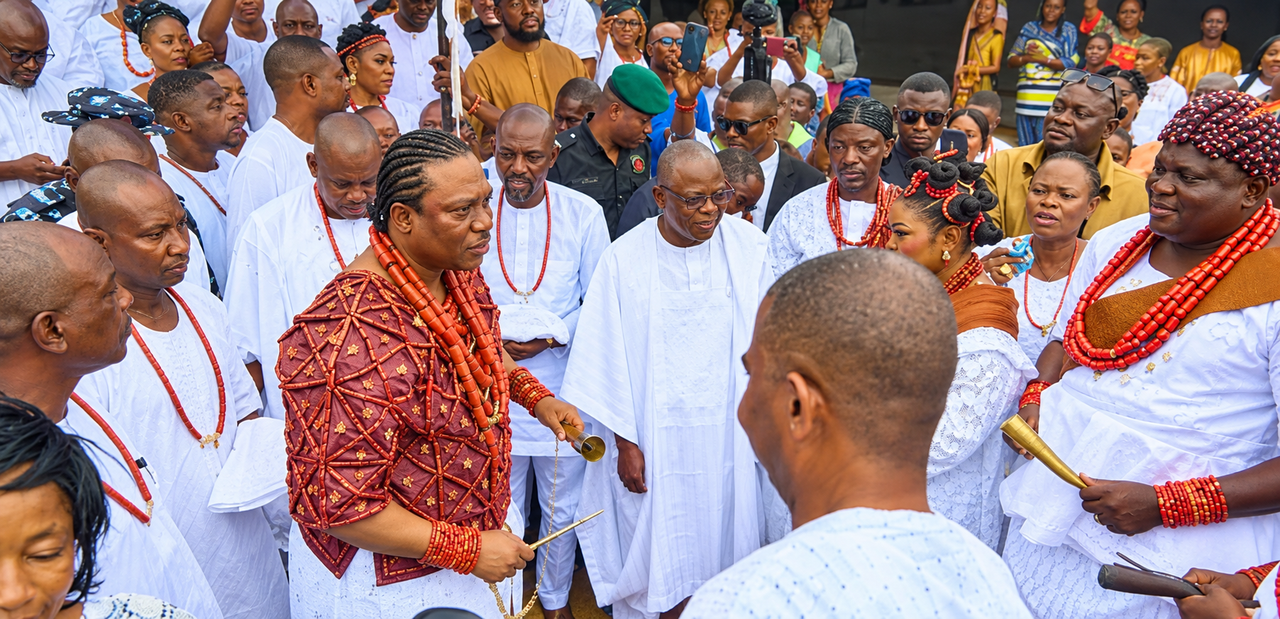
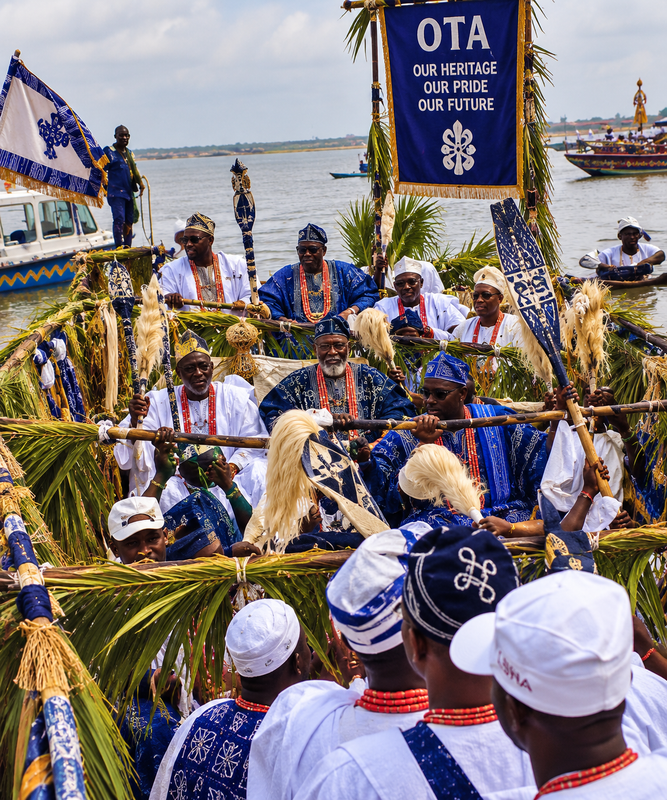
At the heart of the festival is the Ooni of Ife, who undertakes sacred traditional rites and wears the Are Crown as part of the ceremony. Olojo brings together people, music, prayers, traditional performances, and cultural rituals in a powerful expression of identity and continuity.
Olojo is more than a festival date—it is a living connection between the past, the present, and future generations.
At the heart of the festival is the Ooni of Ife, who undertakes sacred traditional rites and wears the Are Crown as part of the ceremony. Olojo brings together people, music, prayers, traditional performances, and cultural rituals in a powerful expression of identity and continuity.
Olojo is more than a festival date—it is a living connection between the past, the present, and future generations.
History
The Olojo Festival is one of the historic cultural festivals of Ile-Ife, Osun State, and is deeply connected to Yoruba history, spirituality, and traditional heritage.
The name Olojo is commonly explained as “the day of the first dawn,” linking the festival to Yoruba accounts of creation and the beginning of a new day. The celebration also honours Ogun, the Yoruba deity associated with iron, labour, strength, and craftsmanship, who is traditionally connected with Oduduwa, a central ancestral figure in Yoruba history.
A major part of the festival is the traditional role of the Ooni of Ife. Before the main celebration, the Ooni traditionally spends several days in seclusion, undertaking prayers and traditional rites. He then emerges wearing the sacred Ade-Are crown, which is associated with the history and authority of the Ooni and is traditionally brought to the Ogun shrine during the festival.
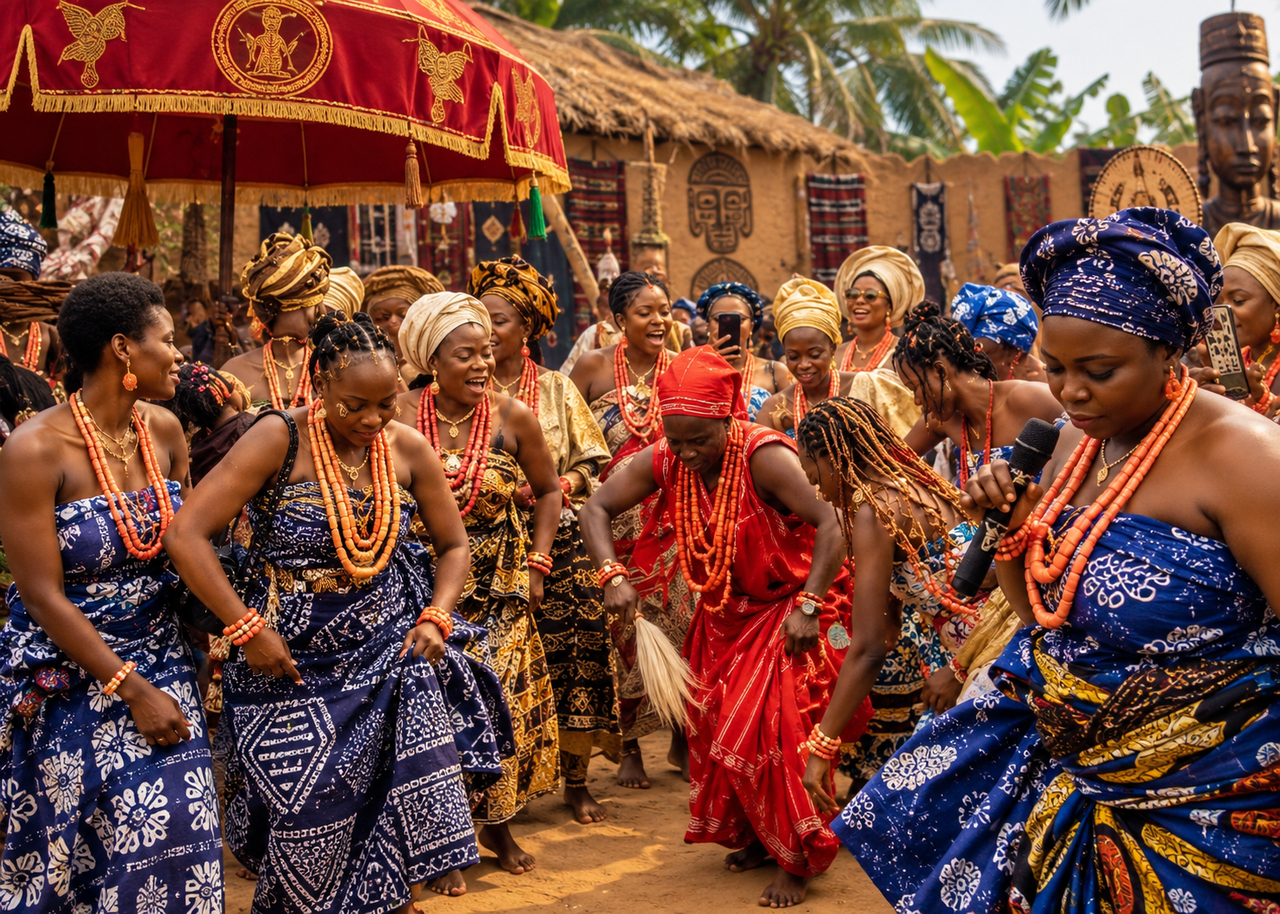
Over generations, Olojo has remained an important gathering for people from Ile-Ife and visitors interested in Yoruba culture. The festival combines traditional rites, music, drumming, processions, prayers, cultural performances, and community celebrations, keeping ancient stories and customs connected to present-day generations.
Olojo is therefore more than an annual celebration. It represents a continuing connection to Yoruba history, ancestry, spirituality, and the cultural identity of Ile-Ife.
The name Olojo is commonly explained as “the day of the first dawn,” linking the festival to Yoruba accounts of creation and the beginning of a new day. The celebration also honours Ogun, the Yoruba deity associated with iron, labour, strength, and craftsmanship, who is traditionally connected with Oduduwa, a central ancestral figure in Yoruba history.
A major part of the festival is the traditional role of the Ooni of Ife. Before the main celebration, the Ooni traditionally spends several days in seclusion, undertaking prayers and traditional rites. He then emerges wearing the sacred Ade-Are crown, which is associated with the history and authority of the Ooni and is traditionally brought to the Ogun shrine during the festival.
Over generations, Olojo has remained an important gathering for people from Ile-Ife and visitors interested in Yoruba culture. The festival combines traditional rites, music, drumming, processions, prayers, cultural performances, and community celebrations, keeping ancient stories and customs connected to present-day generations.
Olojo is therefore more than an annual celebration. It represents a continuing connection to Yoruba history, ancestry, spirituality, and the cultural identity of Ile-Ife.
Significance
The Olojo Festival is an important expression of Yoruba cultural identity, history, and spirituality. It preserves traditions that connect present generations with the heritage and ancestral stories of Ile-Ife.
The festival celebrates Ogun, traditionally associated with iron, craftsmanship, strength, and hard work, while also highlighting the cultural and spiritual role of the Ooni of Ife.
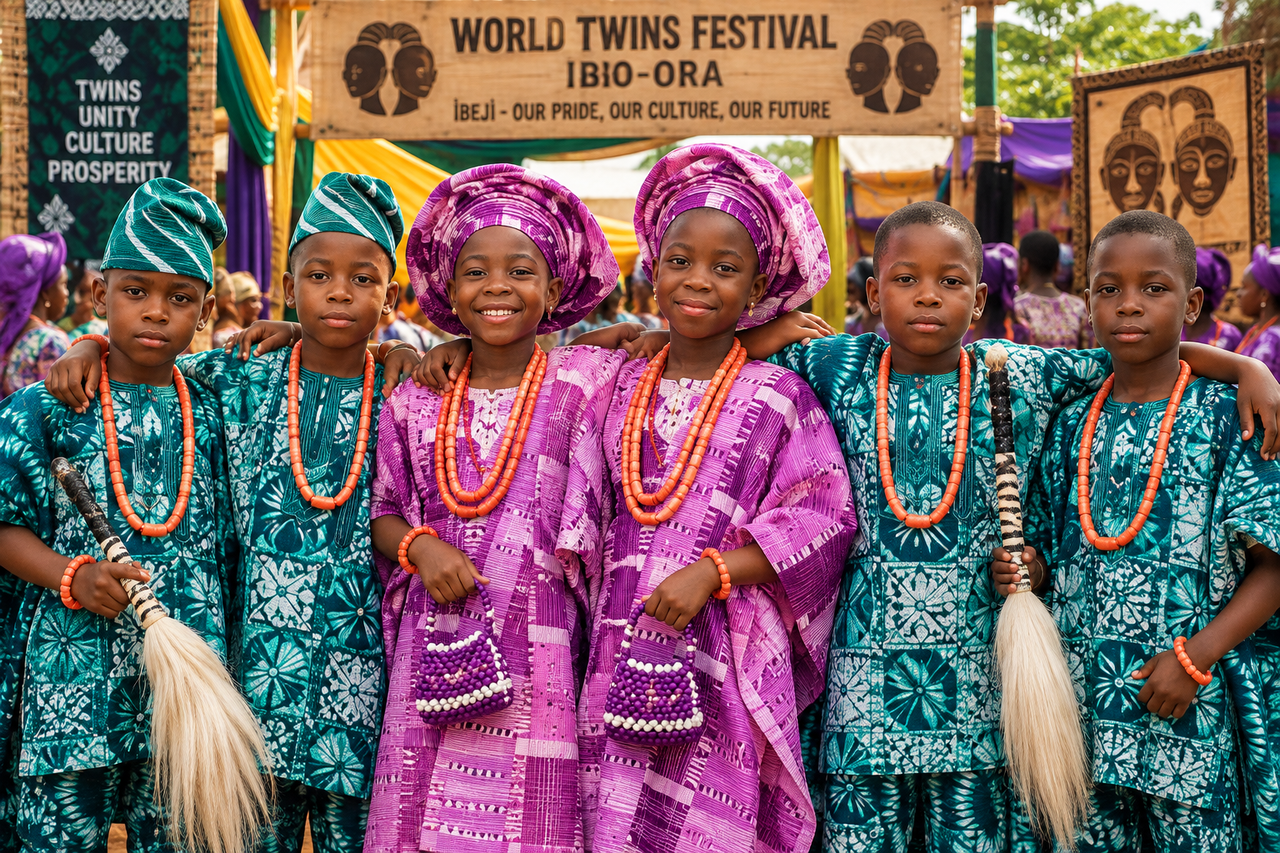
Beyond its religious traditions, Olojo brings communities together through music, drumming, dance, traditional attire, processions, and storytelling. It also provides an opportunity for younger generations to learn about and appreciate their cultural heritage.
Olojo represents the continuity of Yoruba culture—preserving the past while keeping its traditions alive for the future.
The festival celebrates Ogun, traditionally associated with iron, craftsmanship, strength, and hard work, while also highlighting the cultural and spiritual role of the Ooni of Ife.
Beyond its religious traditions, Olojo brings communities together through music, drumming, dance, traditional attire, processions, and storytelling. It also provides an opportunity for younger generations to learn about and appreciate their cultural heritage.
Olojo represents the continuity of Yoruba culture—preserving the past while keeping its traditions alive for the future.