Festival date01 Oct 2026
CategoryCultural
Views37
About the festival
Igbo-Ora, in Ibarapa Central Local Government Area of Oyo State, is popularly known as the “Land of Twins.” The community has become internationally associated with the unusually high occurrence of twin births, making twins an important part of the town's cultural identity.
The World Twins Festival was developed to celebrate this unique heritage and bring twins, families, cultural groups, visitors and researchers together in Igbo-Ora.
Rather than treating twins simply as a biological phenomenon, the festival explores the cultural meaning attached to twins and family life within the community. It creates a platform where stories, traditions, music, dance, fashion and community activities can be shared with a wider audience.
The festival is organised with the involvement of the Igbo-Ora Development Forum, Oyo State Government, the Ministry of Culture and Tourism, the World Twins Creation Outfit, the Igbo-Ora community and Ibarapa Central Local Government.
The World Twins Festival was developed to celebrate this unique heritage and bring twins, families, cultural groups, visitors and researchers together in Igbo-Ora.
Rather than treating twins simply as a biological phenomenon, the festival explores the cultural meaning attached to twins and family life within the community. It creates a platform where stories, traditions, music, dance, fashion and community activities can be shared with a wider audience.
The festival is organised with the involvement of the Igbo-Ora Development Forum, Oyo State Government, the Ministry of Culture and Tourism, the World Twins Creation Outfit, the Igbo-Ora community and Ibarapa Central Local Government.
History
Igbo-Ora, in Oyo State, has become widely associated with twins because of the unusually high number of twin births recorded in the community. The town's reputation has developed into a major cultural identity, and the World Twins Festival was established to celebrate twins, preserve Yoruba cultural traditions surrounding Ìbejì, and promote Igbo-Ora as a cultural and tourism destination.
The History Behind Twin Culture in Yoruba Society
The story of the Twins Festival is much older than the modern festival itself. Twins, known in Yoruba as Ìbejì, have occupied a distinctive position in Yoruba society for generations.
Traditional Yoruba belief gave twins special spiritual and cultural significance. The first-born twin is traditionally called Taiwo, while the second-born is Kehinde. In traditional thought, Taiwo is understood as the one who comes first to "taste the world," while Kehinde is regarded as the elder who sends Taiwo ahead.
Historical research also shows that attitudes toward twins in Yoruba society changed considerably over time. Some earlier Yoruba communities regarded twin births with fear and, in certain places and periods, practices including abandonment or killing of twins existed. Over time, these practices were replaced in many communities by acceptance, reverence and elaborate cultural traditions surrounding twins. Scholars have proposed different explanations for how this transformation occurred, and the precise origins remain a subject of historical discussion.
This transformation is important to understanding why twins today occupy such a celebrated position in Yoruba cultural life.
The Ìbejì Tradition
Traditional Yoruba culture developed a body of beliefs and practices around twins known as the Ìbejì tradition.
Twins were traditionally associated with prosperity, fertility, protection and spiritual significance. Where a twin died, families could commission a small wooden figure known as an ère Ìbejì to symbolically represent the deceased child. Such figures could become part of family ritual and remembrance.
Songs, praise poetry, drumming, dancing and special ceremonies also developed around twins. These traditions helped preserve the memory and social importance of twins within Yoruba communities. Research on Yoruba music identifies orin ìbejì, or songs dedicated to twins, as an important part of this cultural heritage.
Why Igbo-Ora Became Known as the Town of Twins
Igbo-Ora's modern identity is closely connected with its unusually high rate of dizygotic, or fraternal, twin births.
A 2025 Cambridge University study describes Igbo-Ora as having an exceptionally high dizygotic twinning rate, estimated at approximately 45 twin births per 1,000 live births. Researchers have examined several possible explanations, including heredity, diet, environment and other factors, while noting that no single explanation accounts for the phenomenon.
The people of Igbo-Ora themselves have traditionally offered several explanations for the high number of twins. A qualitative study found that community members associated the phenomenon with divine blessing, heredity, diet, the environment, traditional beliefs and the special way twins are welcomed and celebrated in the community. These are community beliefs and explanations, rather than all being scientifically established causes.
Because twin births became such a visible part of everyday life, twins gradually became an important part of Igbo-Ora's cultural identity.
The Beginning of the Modern World Twins Festival
The modern festival emerged from efforts to transform Igbo-Ora's reputation as a town of twins into a cultural and tourism platform.
According to accounts from the festival's organisers, the initiative began earlier as the Naija Twins Festival in Ibadan in 2009, followed by the development of a "Twins Pilgrimage" to Igbo-Ora. The celebration later evolved into the World Twins Festival, with the goal of celebrating multiple births, promoting Igbo-Ora's heritage and drawing attention to the community's cultural and tourism potential.
Other accounts describe the festival's development in Igbo-Ora as receiving stronger institutional support from the community and the Oyo State Government around 2018, when the celebration became more formally established as a cultural and tourism event.
By 2019, the festival was already attracting twins and visitors from different parts of Nigeria and was being promoted as a way of showcasing Igbo-Ora's cultural and tourism potential.
The Festival Today
The World Twins Festival has developed beyond simply celebrating people who were born as twins.
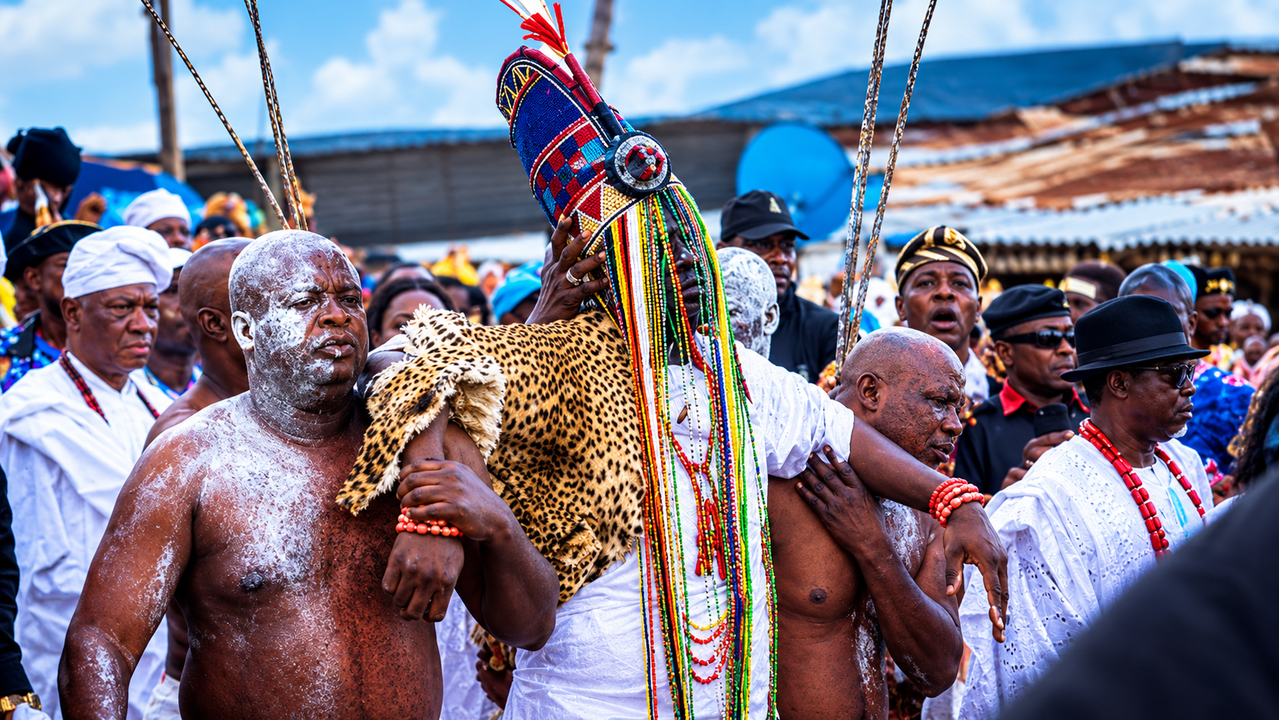
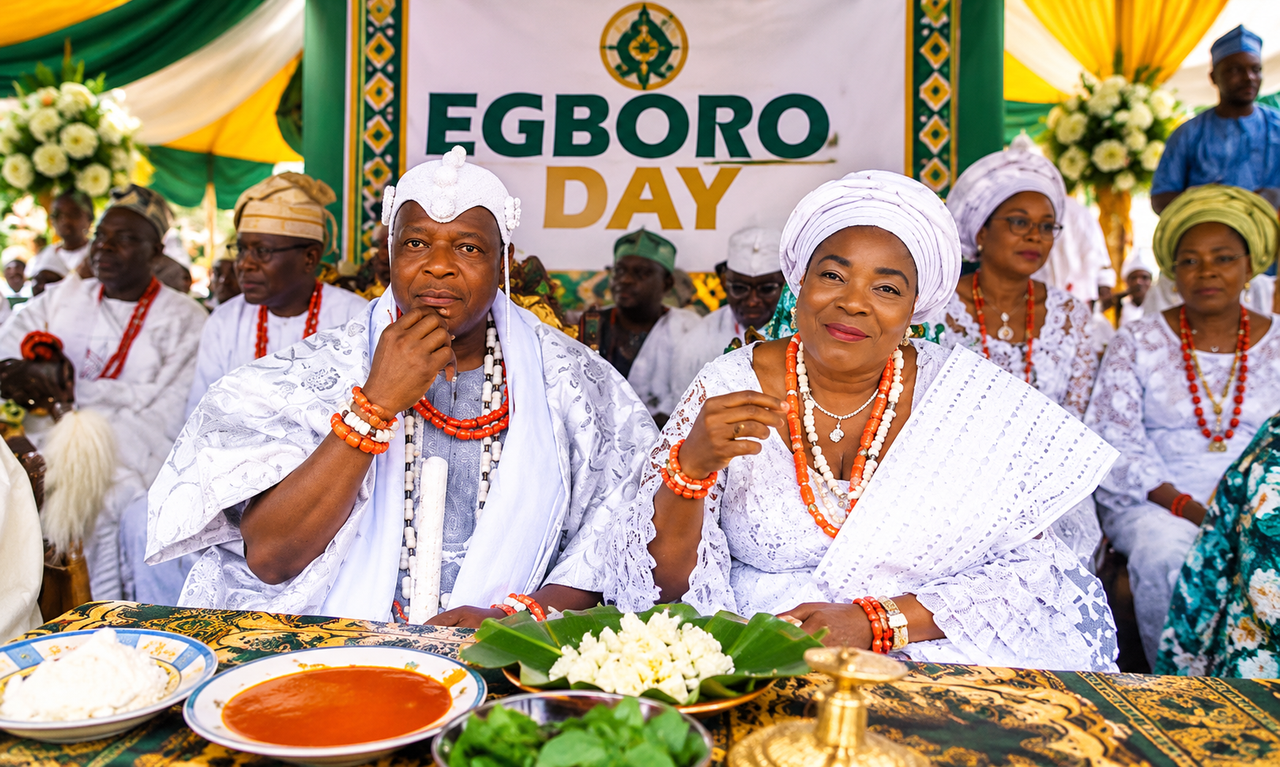
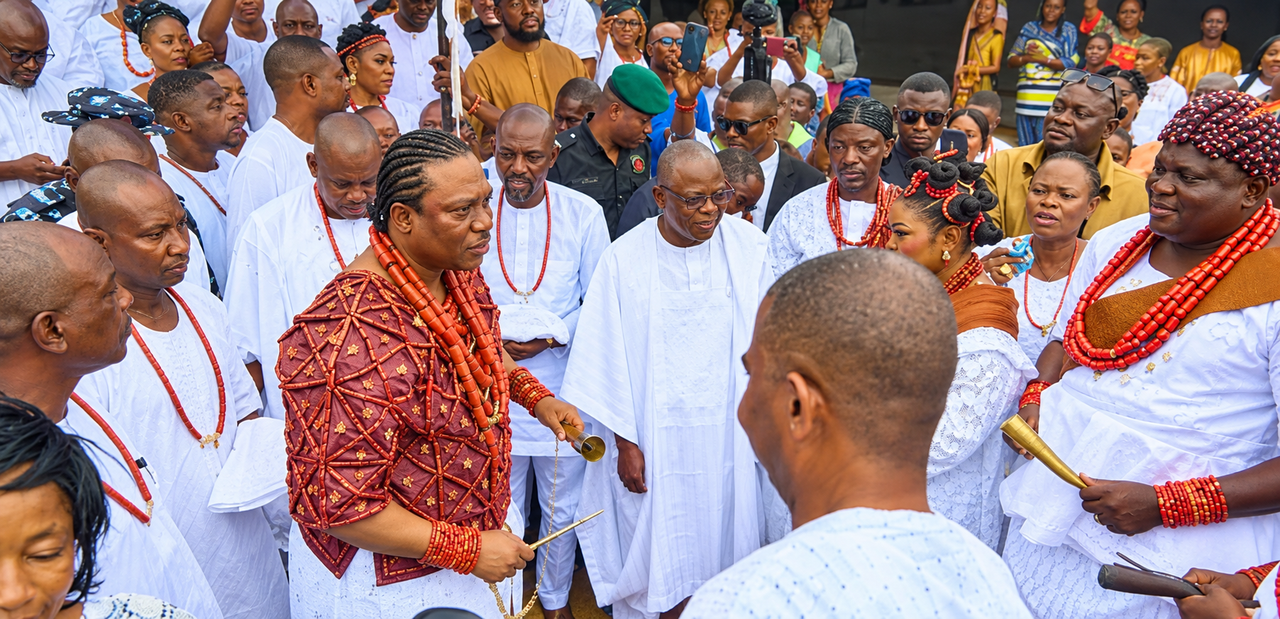
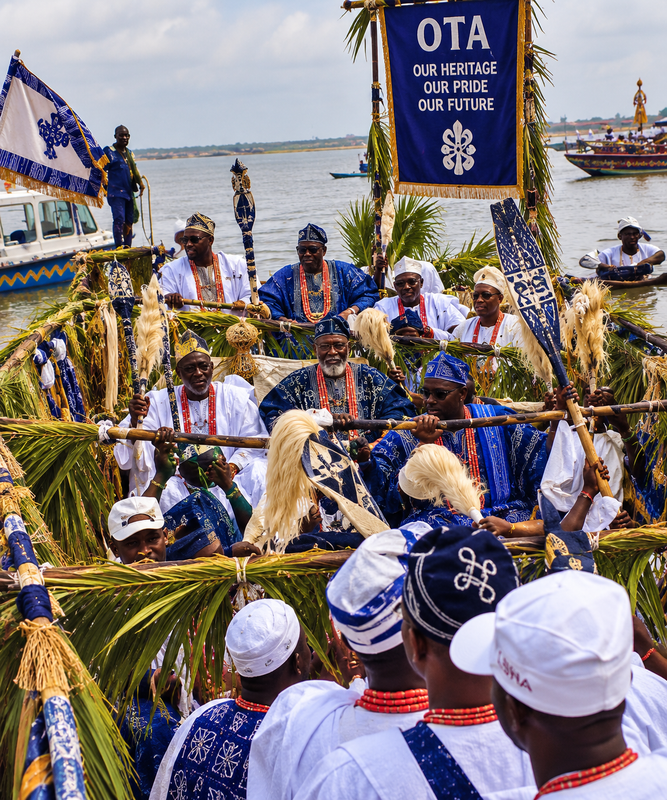
It brings together twins, families, traditional leaders, cultural performers, researchers, visitors and community members for a celebration centred on Yoruba heritage and the unique identity of Igbo-Ora.
Festival activities have included:
Gatherings and parades of twins
Traditional music and drumming
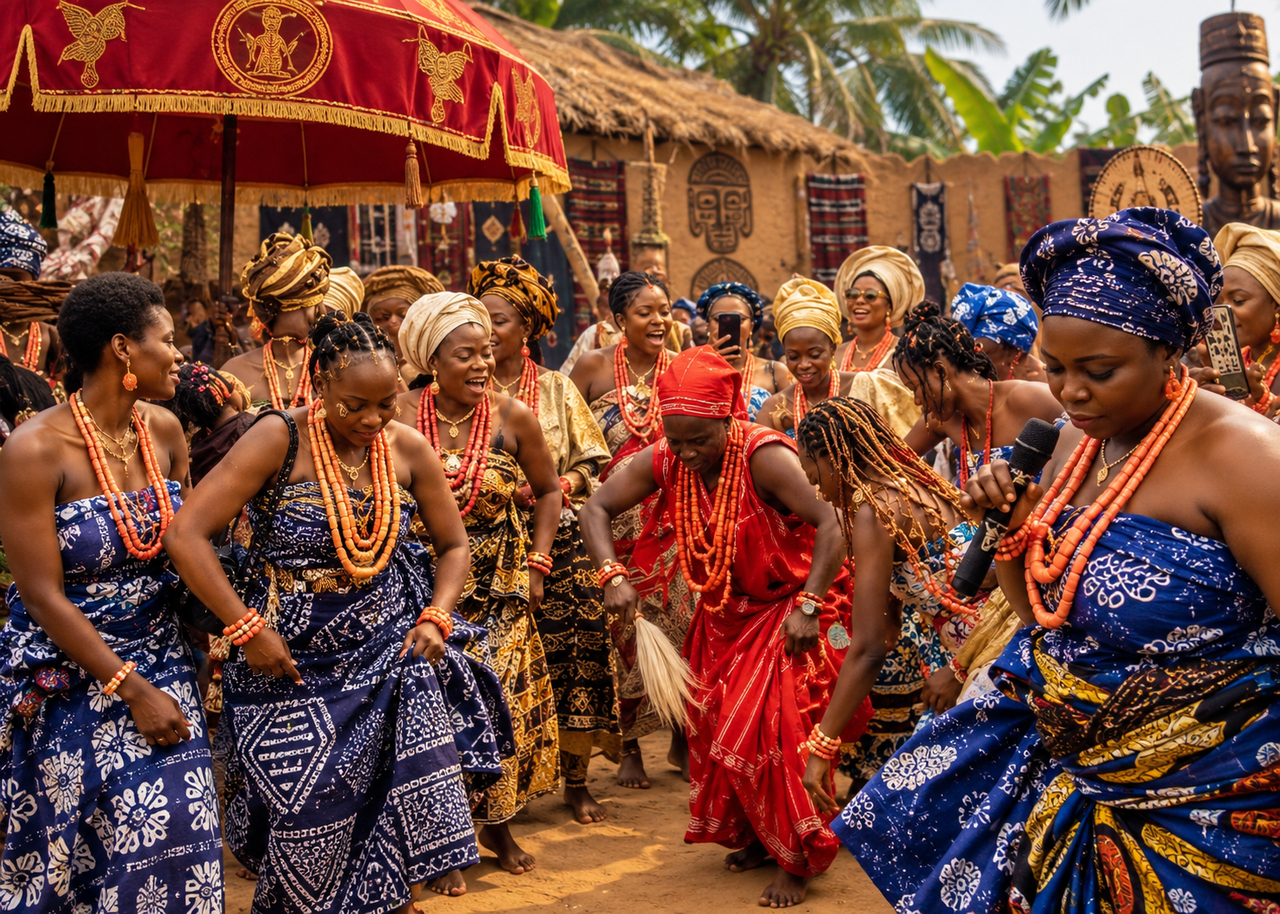
Cultural dances
Yoruba songs and praise poetry
Traditional attire and matching outfits
Cultural performances
Discussions and educational activities
Tourism promotion
Recognition and celebration of twins
Community development initiatives
One of the most striking features is the sight of large numbers of twins dressed alike and participating together in cultural activities. This has become one of the visual symbols of the festival and of Igbo-Ora itself.
The Meaning of the Festival
The World Twins Festival represents several layers of Nigerian cultural heritage.
1. Celebration of Family
Twin births are celebrated as an important family event. The festival provides families with an opportunity to publicly celebrate their children and their shared identity.
2. Preservation of Yoruba Heritage
The festival keeps attention on traditional Yoruba concepts surrounding Ìbejì, including names, songs, praise poetry, clothing and communal celebrations.
3. Community Identity
For Igbo-Ora, twins have become part of the community's identity. The festival gives residents an opportunity to tell their own story and preserve traditions associated with their town.
4. Tourism
The festival has also become a tourism event, attracting visitors interested in Yoruba culture and the unusual concentration of twin births in the area. The Nigerian National Assembly has described the World Twins Festival as an internationally acclaimed event and has discussed recognition of Igbo-Ora and the festival as cultural and tourism heritage.
A Culture That Has Changed Over Time
The history of the Twins Festival is particularly significant because it reflects a broader transformation in attitudes toward twins.
Historical scholarship documents earlier periods in which some Yoruba communities feared twin births and practised harmful responses toward twins. Later Yoruba traditions developed ways of protecting, celebrating and spiritually honouring twins.
The modern festival represents a very different expression of that history: rather than being hidden or feared, twins are publicly celebrated as an important part of community and cultural identity.
Igbo-Ora and the Future of Twin Heritage
Today, Igbo-Ora's story brings together tradition, family, community identity, science and tourism.
Researchers continue to study why the town has such a high rate of fraternal twinning, while residents continue to preserve the cultural traditions through songs, celebrations and festivals. Modern research also cautions against reducing the phenomenon to a single explanation such as food or spirituality.
The World Twins Festival therefore serves as both a celebration and a cultural record. It gives younger generations an opportunity to learn about the traditions surrounding Ìbejì while giving visitors a way to experience an important part of Yoruba cultural heritage.
The History Behind Twin Culture in Yoruba Society
The story of the Twins Festival is much older than the modern festival itself. Twins, known in Yoruba as Ìbejì, have occupied a distinctive position in Yoruba society for generations.
Traditional Yoruba belief gave twins special spiritual and cultural significance. The first-born twin is traditionally called Taiwo, while the second-born is Kehinde. In traditional thought, Taiwo is understood as the one who comes first to "taste the world," while Kehinde is regarded as the elder who sends Taiwo ahead.
Historical research also shows that attitudes toward twins in Yoruba society changed considerably over time. Some earlier Yoruba communities regarded twin births with fear and, in certain places and periods, practices including abandonment or killing of twins existed. Over time, these practices were replaced in many communities by acceptance, reverence and elaborate cultural traditions surrounding twins. Scholars have proposed different explanations for how this transformation occurred, and the precise origins remain a subject of historical discussion.
This transformation is important to understanding why twins today occupy such a celebrated position in Yoruba cultural life.
The Ìbejì Tradition
Traditional Yoruba culture developed a body of beliefs and practices around twins known as the Ìbejì tradition.
Twins were traditionally associated with prosperity, fertility, protection and spiritual significance. Where a twin died, families could commission a small wooden figure known as an ère Ìbejì to symbolically represent the deceased child. Such figures could become part of family ritual and remembrance.
Songs, praise poetry, drumming, dancing and special ceremonies also developed around twins. These traditions helped preserve the memory and social importance of twins within Yoruba communities. Research on Yoruba music identifies orin ìbejì, or songs dedicated to twins, as an important part of this cultural heritage.
Why Igbo-Ora Became Known as the Town of Twins
Igbo-Ora's modern identity is closely connected with its unusually high rate of dizygotic, or fraternal, twin births.
A 2025 Cambridge University study describes Igbo-Ora as having an exceptionally high dizygotic twinning rate, estimated at approximately 45 twin births per 1,000 live births. Researchers have examined several possible explanations, including heredity, diet, environment and other factors, while noting that no single explanation accounts for the phenomenon.
The people of Igbo-Ora themselves have traditionally offered several explanations for the high number of twins. A qualitative study found that community members associated the phenomenon with divine blessing, heredity, diet, the environment, traditional beliefs and the special way twins are welcomed and celebrated in the community. These are community beliefs and explanations, rather than all being scientifically established causes.
Because twin births became such a visible part of everyday life, twins gradually became an important part of Igbo-Ora's cultural identity.
The Beginning of the Modern World Twins Festival
The modern festival emerged from efforts to transform Igbo-Ora's reputation as a town of twins into a cultural and tourism platform.
According to accounts from the festival's organisers, the initiative began earlier as the Naija Twins Festival in Ibadan in 2009, followed by the development of a "Twins Pilgrimage" to Igbo-Ora. The celebration later evolved into the World Twins Festival, with the goal of celebrating multiple births, promoting Igbo-Ora's heritage and drawing attention to the community's cultural and tourism potential.
Other accounts describe the festival's development in Igbo-Ora as receiving stronger institutional support from the community and the Oyo State Government around 2018, when the celebration became more formally established as a cultural and tourism event.
By 2019, the festival was already attracting twins and visitors from different parts of Nigeria and was being promoted as a way of showcasing Igbo-Ora's cultural and tourism potential.
The Festival Today
The World Twins Festival has developed beyond simply celebrating people who were born as twins.
It brings together twins, families, traditional leaders, cultural performers, researchers, visitors and community members for a celebration centred on Yoruba heritage and the unique identity of Igbo-Ora.
Festival activities have included:
Gatherings and parades of twins
Traditional music and drumming
Cultural dances
Yoruba songs and praise poetry
Traditional attire and matching outfits
Cultural performances
Discussions and educational activities
Tourism promotion
Recognition and celebration of twins
Community development initiatives
One of the most striking features is the sight of large numbers of twins dressed alike and participating together in cultural activities. This has become one of the visual symbols of the festival and of Igbo-Ora itself.
The Meaning of the Festival
The World Twins Festival represents several layers of Nigerian cultural heritage.
1. Celebration of Family
Twin births are celebrated as an important family event. The festival provides families with an opportunity to publicly celebrate their children and their shared identity.
2. Preservation of Yoruba Heritage
The festival keeps attention on traditional Yoruba concepts surrounding Ìbejì, including names, songs, praise poetry, clothing and communal celebrations.
3. Community Identity
For Igbo-Ora, twins have become part of the community's identity. The festival gives residents an opportunity to tell their own story and preserve traditions associated with their town.
4. Tourism
The festival has also become a tourism event, attracting visitors interested in Yoruba culture and the unusual concentration of twin births in the area. The Nigerian National Assembly has described the World Twins Festival as an internationally acclaimed event and has discussed recognition of Igbo-Ora and the festival as cultural and tourism heritage.
A Culture That Has Changed Over Time
The history of the Twins Festival is particularly significant because it reflects a broader transformation in attitudes toward twins.
Historical scholarship documents earlier periods in which some Yoruba communities feared twin births and practised harmful responses toward twins. Later Yoruba traditions developed ways of protecting, celebrating and spiritually honouring twins.
The modern festival represents a very different expression of that history: rather than being hidden or feared, twins are publicly celebrated as an important part of community and cultural identity.
Igbo-Ora and the Future of Twin Heritage
Today, Igbo-Ora's story brings together tradition, family, community identity, science and tourism.
Researchers continue to study why the town has such a high rate of fraternal twinning, while residents continue to preserve the cultural traditions through songs, celebrations and festivals. Modern research also cautions against reducing the phenomenon to a single explanation such as food or spirituality.
The World Twins Festival therefore serves as both a celebration and a cultural record. It gives younger generations an opportunity to learn about the traditions surrounding Ìbejì while giving visitors a way to experience an important part of Yoruba cultural heritage.
Significance
The World Twins Festival gives Igbo-Ora an opportunity to celebrate a feature that has become deeply associated with its identity. It also provides a way for the community to preserve stories and traditions surrounding twins while introducing visitors to the wider culture of Ibarapa.
The festival brings together people from different backgrounds and countries, turning a local cultural identity into an international cultural tourism experience.
It also highlights the importance of family, community, identity and cultural diversity.
For visitors, the festival provides more than a colourful celebration. It is an opportunity to learn about Igbo-Ora, meet families and twins from different communities and experience the traditions of the people of Ibarapa.
In Igbo-Ora, the story of twins has become part of the story of the community itself.
What to Experience
Twin gatherings • Cultural performances • Music • Dance • Family celebrations • Traditional displays • Community activities • Local food • Ibarapa heritage
The festival brings together people from different backgrounds and countries, turning a local cultural identity into an international cultural tourism experience.
It also highlights the importance of family, community, identity and cultural diversity.
For visitors, the festival provides more than a colourful celebration. It is an opportunity to learn about Igbo-Ora, meet families and twins from different communities and experience the traditions of the people of Ibarapa.
In Igbo-Ora, the story of twins has become part of the story of the community itself.
What to Experience
Twin gatherings • Cultural performances • Music • Dance • Family celebrations • Traditional displays • Community activities • Local food • Ibarapa heritage