Festival date15 Oct 2026
CategoryCultural
Views20
About the festival
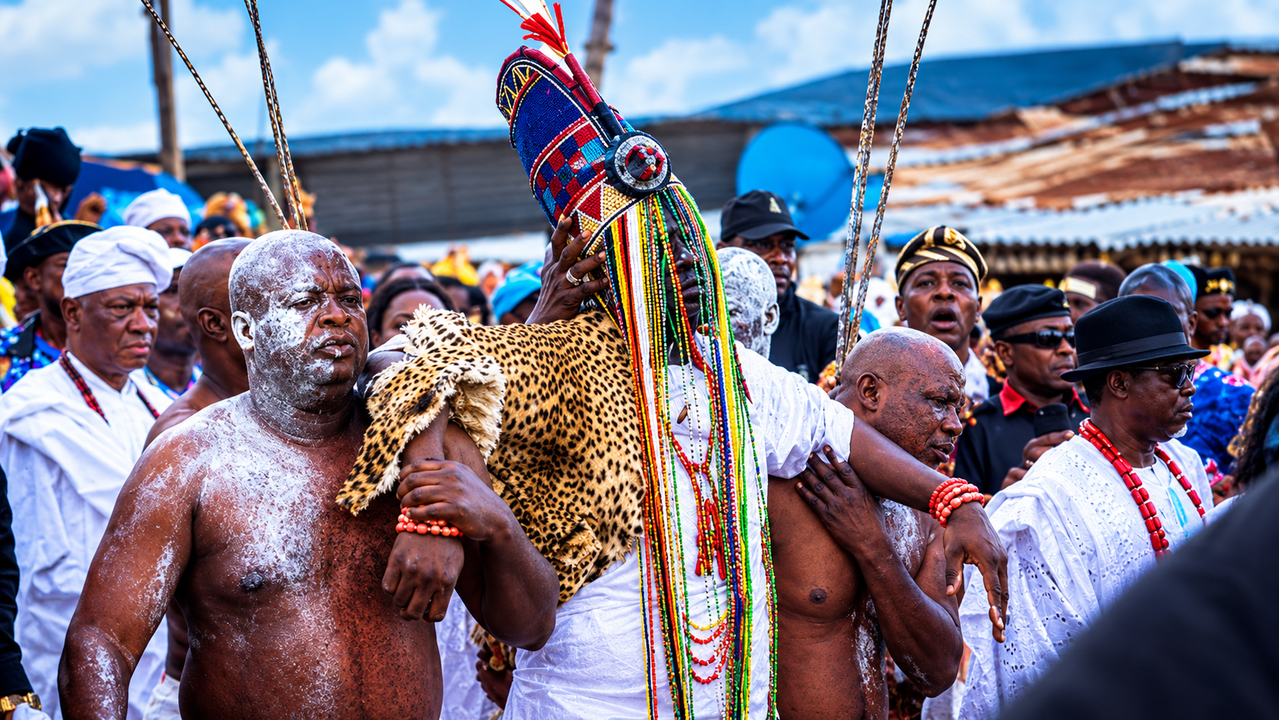
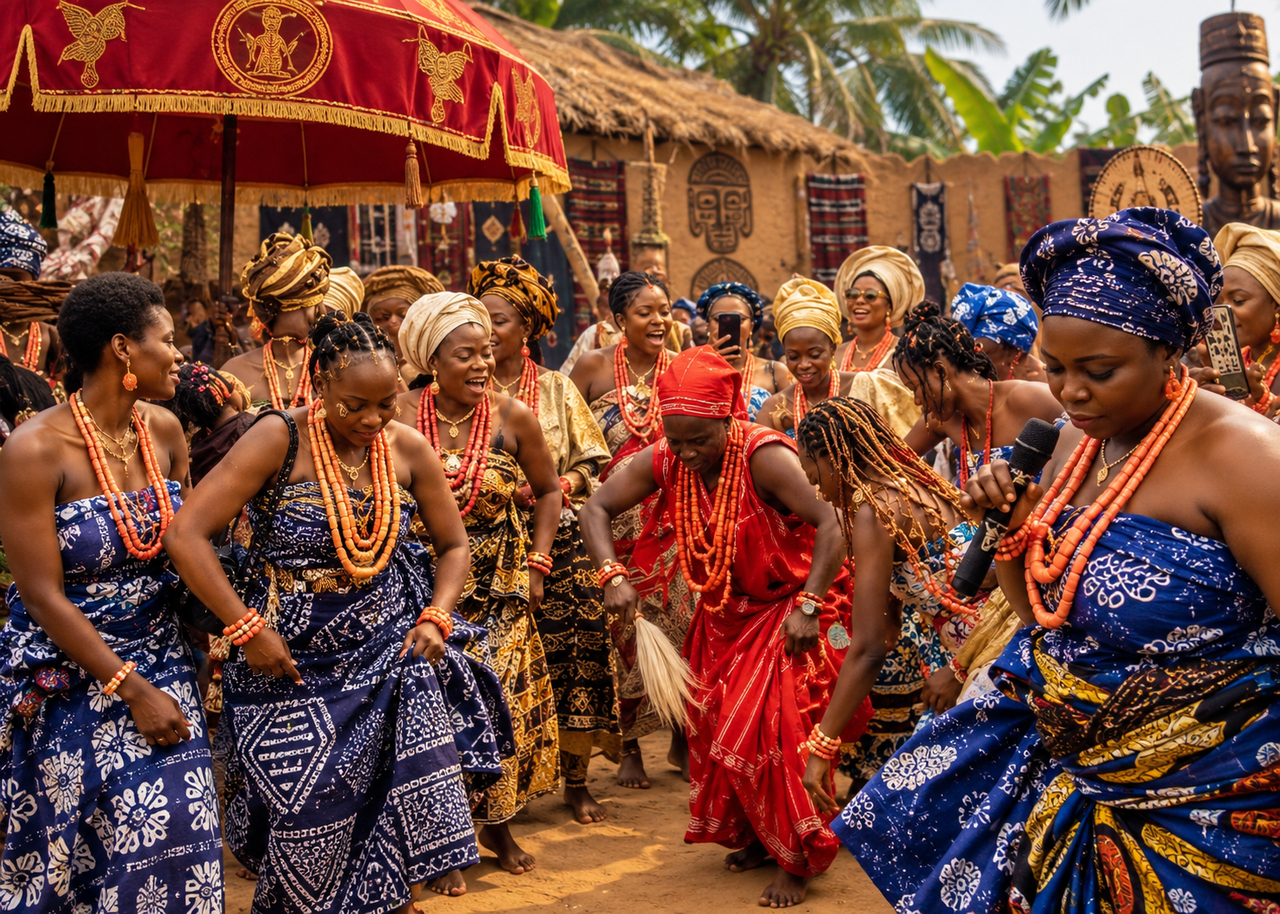
The Yemoja Festival is a vibrant 17-day annual Yoruba cultural and religious celebration that honors Yemoja, the goddess (Òrìṣà) of the river, motherhood, and fertility. Primarily hosted in the Popo Yemoja area of Ibadan, Oyo State, Nigeria, the festival brings together local traditional worshippers and members of the African diaspora to preserve Yoruba heritage. It features spiritual rituals, traditional drumming, and dances, and culminates in a grand procession where a sacred maiden (Arugba) carries community offerings to the river
History
The history of the Yemoja Festival is deeply intertwined with Yoruba mythology, ancient migration, and the foundation of Ibadan.
The Mythological Origin
The spiritual roots of the festival trace back to the creation story of Yemoja, whose name comes from Yeyé ọmọ ẹjá ("Mother of the Fish Children"). According to Yoruba oral history, Yemoja was a powerful queen who fled her marriage after a bitter dispute with her husband, the King of Saki. During her escape, she fell and her body broke apart. From her womb flowed the life-giving streams that created the sacred River Ogun (Odo Ogun). This event solidified her status as the supreme mother deity of all waters and the source of life.
The Historic Migration to Ibadan
Centuries ago, as regional conflicts caused shifts in Yoruba territory, dedicated devotees carried Yemoja's sacred staff and emblems southwards. They eventually settled in Ibadan, establishing a permanent spiritual sanctuary in a neighborhood that still bears her name today: Popo Yemoja. The annual festival was established by these early settlers to appease the water goddess, secure her protection, and ensure the community's agricultural and human fertility.
Continuity and Global Revival
For generations, the festival was sustained by successive lineages of chief priests (Baale Yemoja) and priestesses (Iyalorisa). While British colonization and the rise of Christianity and Islam in Nigeria pushed many indigenous practices underground, the Yemoja Festival survived as a vital act of cultural resilience.
In recent decades, the festival has evolved from a local compound rite into a global cultural heritage phenomenon. Today, it acts as a spiritual bridge, drawing hundreds of African diaspora practitioners from Brazil, Cuba, Trinidad, and the United States back to Ibadan to reconnect with their ancestral roots.
The Mythological Origin
The spiritual roots of the festival trace back to the creation story of Yemoja, whose name comes from Yeyé ọmọ ẹjá ("Mother of the Fish Children"). According to Yoruba oral history, Yemoja was a powerful queen who fled her marriage after a bitter dispute with her husband, the King of Saki. During her escape, she fell and her body broke apart. From her womb flowed the life-giving streams that created the sacred River Ogun (Odo Ogun). This event solidified her status as the supreme mother deity of all waters and the source of life.
The Historic Migration to Ibadan
Centuries ago, as regional conflicts caused shifts in Yoruba territory, dedicated devotees carried Yemoja's sacred staff and emblems southwards. They eventually settled in Ibadan, establishing a permanent spiritual sanctuary in a neighborhood that still bears her name today: Popo Yemoja. The annual festival was established by these early settlers to appease the water goddess, secure her protection, and ensure the community's agricultural and human fertility.
Continuity and Global Revival
For generations, the festival was sustained by successive lineages of chief priests (Baale Yemoja) and priestesses (Iyalorisa). While British colonization and the rise of Christianity and Islam in Nigeria pushed many indigenous practices underground, the Yemoja Festival survived as a vital act of cultural resilience.
In recent decades, the festival has evolved from a local compound rite into a global cultural heritage phenomenon. Today, it acts as a spiritual bridge, drawing hundreds of African diaspora practitioners from Brazil, Cuba, Trinidad, and the United States back to Ibadan to reconnect with their ancestral roots.
Significance
While the majority of modern Nigerians practice Christianity or Islam, the community in Ibadan keeps this ancient tradition robustly alive. The festival is more than a religious rite—it acts as an important cultural preservation tool, an economic booster via cultural tourism, and an environmental reminder to respect natural bodies of water.